
What is the Best Type of Grass For the Panhandle?
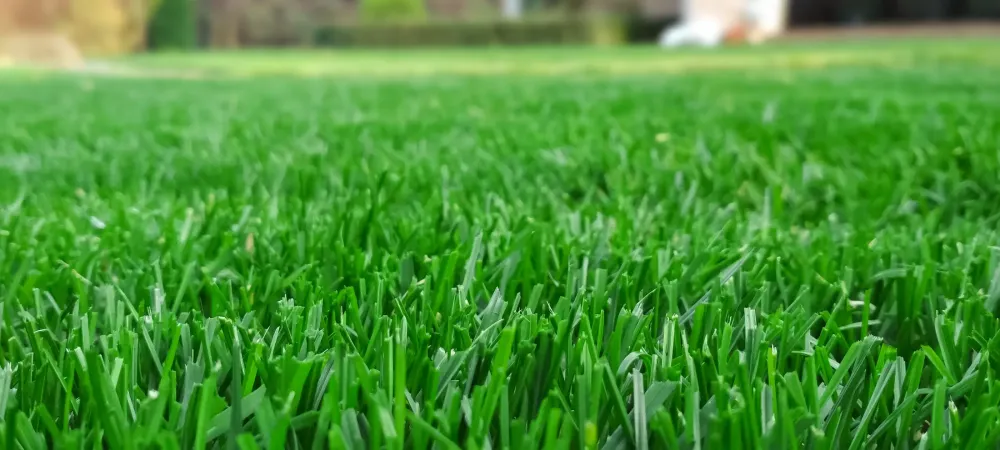
Best Types of Turf Grass for Northwest Florida
There are five varieties of turf grass most commonly used in Northwest Florida: centipede, St. Augustine, bahia, zoysia, and bermuda. Each has different qualities, and the best choice depends on your personal preferences and where you intend to grow the grass. Here's a rundown of each type, along with the advantages and disadvantages I've noticed.
Centipede
Advantages: Centipede is a low maintenance grass. It requires very little fertilizer and is relatively drought tolerant. It has a fine leaf blade and a tight growing pattern that creates a nice, even looking turf. A centipede lawn can be established by sod, plugs, sprigs, or seed.
Disadvantages: Some people don't like the natural, pale green color of this grass, and it doesn't do well when fertilized frequently. It doesn't do well in shady areas and prefers direct sun. It can sometimes develop a condition called centipede decline, which leaves large dead areas in the lawn. If you have a centipede lawn, leave it alone as much as possible, water it only when necessary, and use very little nitrogen fertilizer.
St. Augustine
Advantages: St. Augustine provides a lush, dark green turf. It's the most shade tolerant of all the turf grasses. It's fast growing and spreading, and can be established by sod, plugs, or sprigs.
Disadvantages: St. Augustine is not drought tolerant and requires a lot of water to stay healthy. It's also affected by chinch bugs, an insect pest that can severely damage the grass during the mid-summer months. St. Augustine has a coarser, thicker leaf blade than other grasses and requires a mowing height of at least 3 inches for optimum health.
Bahia
Advantages: Bahia is the least popular variety of grass for lawns. It does have a few advantages, but these are usually outweighed by its disadvantages. The good things about bahia are that it's very drought tolerant. If you have a lawn or field that can't be irrigated, this grass may be a good choice. It can also be easily established from seed, which is inexpensive, and it's a very low maintenance grass requiring little fertilization.
Disadvantages: Bahia doesn't form a dense turf, nor does it spread by runners the way other varieties do. It has a very open growth pattern that doesn't compete well with weeds. When watered, it grows quickly and may require mowing more than once a week in hot, wet weather. It doesn't have a dark green color, but more of a dull appearance. Bahia grass is best suited for large open fields or utility areas where appearance isn't a primary concern.
Bermuda
Advantages: There are a number of varieties of bermuda grass, all of which vary somewhat. Generally speaking, bermuda is a sturdy grass with a fine leaf blade that's drought tolerant and takes frequent fertilization well, so you can keep it dark green through the growing season. Bermuda can be easily established from seed, sod, or sprigs.
Disadvantages: One peculiar characteristic of bermuda is that the leaves of the grass are held up by the stems of the runners. The problem with this is that if the ground is uneven, a mower can take the green tops off the stems and leave patches of brown in the lawn until the green leaves regenerate. Bermuda is not very shade tolerant and prefers direct sun.
Zoysia
Advantages: Zoysia forms a thick, lush lawn with fine leaf blades and a dark green color. It can be established by sod or plugs. However, it spreads slowly, so if you use plugs, it will take several seasons to fill in.
Disadvantages: Zoysia is a heavy feeder and requires frequent fertilization. It's not shade tolerant. It grows fast and can require mowing more than once a week.